Why Are You So Afraid of Losing Money in Trading?
Nov 02, 2026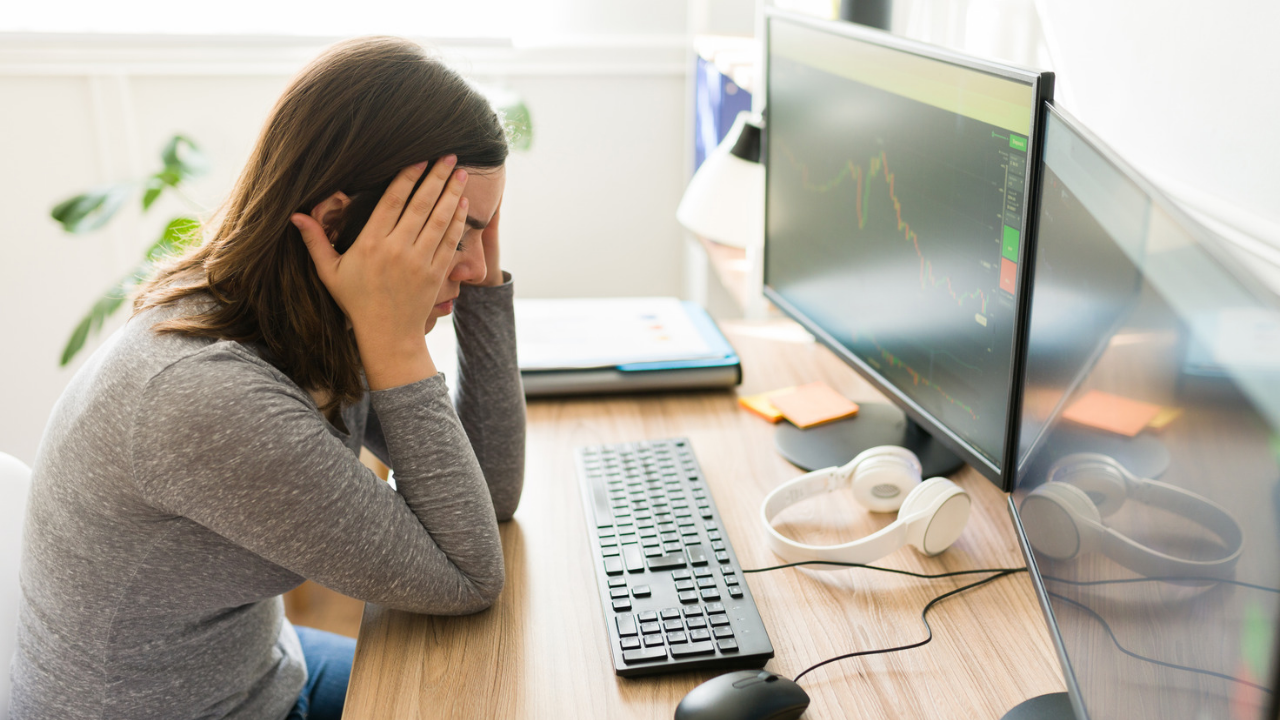
Reading time: 5 minutes
You know that losses are part of trading. You've heard it countless times. You understand the probabilities, and you know exactly how much you're willing to risk on each trade. Yet, when you're in a trade and the price starts moving against you, something changes. Suddenly, taking that planned loss feels much harder than it should. You hesitate, consider moving your stop, or find yourself hoping the price will turn around. And afterward, you wonder why you couldn't simply follow your plan.
What if this situation has less to do with the actual amount you're risking and more to do with what that loss means to you? Because sometimes, the fear you're experiencing isn't really about the trade in front of you. It's connected to a much bigger story about money, security, and whether you'll ever achieve the life you want.
Why Trading Losses Can Feel So Threatening
Think about what goes through your mind when you're about to take a loss. Perhaps you've already lost a considerable amount of money throughout your trading journey, and you're afraid of losing more. Maybe you're working toward becoming financially independent, and every loss feels like another step away from that goal. Or you've been trading for years, and the thought of spending another year without achieving consistency makes you anxious.
These concerns are understandable. Trading involves real financial risk, and your goals matter to you. But notice how quickly a single loss can become connected to something much bigger. A $200 loss that fits comfortably within your risk management plan can suddenly feel like evidence that you're never going to succeed. That's a very different emotional experience from simply losing $200.
The Scarcity Mindset Behind Your Fear of Losing Money
Many of our beliefs about money were formed long before we ever placed our first trade. Perhaps you grew up in a family where money was always tight, where your parents worried about paying bills, or where you frequently heard that money was difficult to earn and easy to lose. Over time, these experiences may have shaped your relationship with money and your sense of financial security.
You might be in a completely different financial situation today, but those old emotional patterns can still influence how you respond to losing money. This is what makes a scarcity mindset so difficult to recognize. You don't necessarily sit at your trading desk consciously thinking, "There will never be enough." Instead, you experience fear, tension, or urgency, and before you know it, you're making decisions to protect yourself from something that feels threatening.
What's important to understand is that the fear often comes with a story that you don't even realize you're telling yourself.
What Story Are You Telling Yourself About Losing?
When you're about to take a loss, your mind might be telling you, "I can't afford another loss," "I'll never be able to quit my job," or "I'm running out of time to make trading work." Sometimes the story goes even deeper: "Maybe I'm simply not good enough to succeed."
These thoughts can feel incredibly convincing, especially when you're already experiencing fear. But are they actually true? Does taking one more planned loss mean you'll never achieve financial independence? Does a difficult trading month mean you're incapable of success? Are you responding to what is happening right now, or to what you're afraid might happen in the future?
I'm not suggesting that you should ignore genuine financial limitations or convince yourself that everything will work out. Trading requires realistic expectations and responsible risk management. But there's a difference between acknowledging a real financial risk and treating your worst fears about the future as facts.
Just because a thought creates fear doesn't mean the story behind it is true.
Why Trading Keeps Bringing Scarcity Back
One thing I want you to realize is that trading will continuously expose you to situations that can trigger these emotions. Losing streaks, missed opportunities, market corrections, and periods of uncertainty are unavoidable parts of the trading environment. When markets become particularly fearful, it's even easier to get caught up in negative expectations and start seeing everything through the lens of what could go wrong.
That's why trying to eliminate scarcity completely can become another frustrating battle. You may feel confident and optimistic one week, only to experience that familiar fear again when the market turns against you. It doesn't necessarily mean the work you’re doing hasn't help. You're simply encountering another situation that activates an old emotional pattern.
The question is whether you have to keep responding to that pattern in the same way.
You Don't Have to Believe Everything Your Fear Tells You
This is where Compassionate Discipline™ becomes so important. Instead of fighting your fear or criticizing yourself for experiencing it, you learn to recognize it, allow it to be there, and understand the beliefs that may be fueling it. You can acknowledge that you're afraid of losing money without automatically accepting the prediction that this loss means something terrible about your future.
And this doesn't mean trying to think your way out of fear. You can intellectually understand that a belief isn't true and still experience the emotion connected to it. That's why changing your emotional state matters just as much as changing your thinking.
Part of the work I do with traders involves helping them develop habits that support feelings of safety, trust, gratitude, and possibility. Meditation, journaling, and intentionally shifting your focus on what's going well in your life can help you cultivate a different emotional state. The more consistently you practice these habits, the more opportunities you create to experience something other than fear and scarcity.
The goal isn't to force yourself to feel positive all the time. It's to develop the emotional resilience to experience fear without allowing it to dictate your behavior. This is an important part of Emotional Immunity, one of the four pillars of Compassionate Discipline™.
And perhaps that's the most important shift you can make: You don't need to wait until you stop feeling scarcity to become a disciplined trader. You can learn to feel the fear without giving it the power to decide what you do next.
So next time you feel that familiar fear when a trade moves against you, consider what story might be playing in your mind. You may discover that the thing you're most afraid of isn't the loss itself, but the future you've imagined because of it.
Start Building Habits That Support a Different Mindset
Recognizing your emotional patterns is an important first step, but lasting change comes from what you practice consistently. Small daily habits can help you develop greater self-awareness, emotional balance, and a more supportive relationship with trading.
If you'd like to start building those habits, download my free Trader's Good Habit Tracker. It's a simple tool to help you stay intentional about the daily practices that support your trading mindset.
WELCOME TO MY BLOG